// content library // 26 entries // 1 videos
Learn Claude Code through practical, source-linked guides.
Focused articles, workflows, release explanations, and video notes designed to get you from question to working setup quickly.

Use /skill-doctor to trim Claude Code skill context safely
A practical, reversible workflow for using Claude Code's /skill-doctor report to find unused skill listings, reduce context overhead, and keep the skills that earn their place.

DeepSeek Harness vs Claude Code: the real advantage is replaceable parts
DeepSeek Harness is a developer-preview coding agent whose model, tools, sandbox, and loop are plugins. That makes it a useful experiment—not yet a drop-in Claude Code replacement.

Claude Code /design: prototype the interface before you build it
The /design preview changes the first step of a UI task from coding to exploring visual directions. Here is a cautious workflow for evaluating the output before implementation.

Five Graphify alternatives for Claude Code: pick the right context tool
CodeGraph, GitNexus, Repomix, Serena, and grepai solve different parts of Claude Code's codebase-context problem. This guide helps you choose without installing five overlapping tools.

Superpowers for Claude Code: the workflow behind the hype
Superpowers turns Claude Code into a design-first, test-driven workflow using composable skills, worktrees, subagents, and review gates.

Claude Code's attribution header is not an AI watermark
Claude Code sends attribution metadata on some direct API traffic, but official sources do not support claims of an invisible signature in every generated file or response.

Is Claude Code auto mode now the default? What actually changed
Claude Code removed auto mode's opt-in consent step, but that is not the same as silently replacing every user's configured permission mode.

Sonnet 5 vs Sonnet 4.6: read the benchmark, not the backlash
Sonnet 5 is stronger on many agentic and coding evaluations, but official results also show regressions and task-specific trade-offs against Sonnet 4.6.

Cross-session messaging: let your Claude Code sessions talk to each other
Cross-session messaging lets one Claude Code session deliver a message to another — same machine over a socket, or across machines via Remote Control. Here's how it works and when to use it.

MCP in Claude Code: the complete mental model
A practical guide to MCP in Claude Code: what the protocol is, how it connects Claude to external tools and data, how it differs from skills, and how the stateless 2026-07-28 spec changes server building.
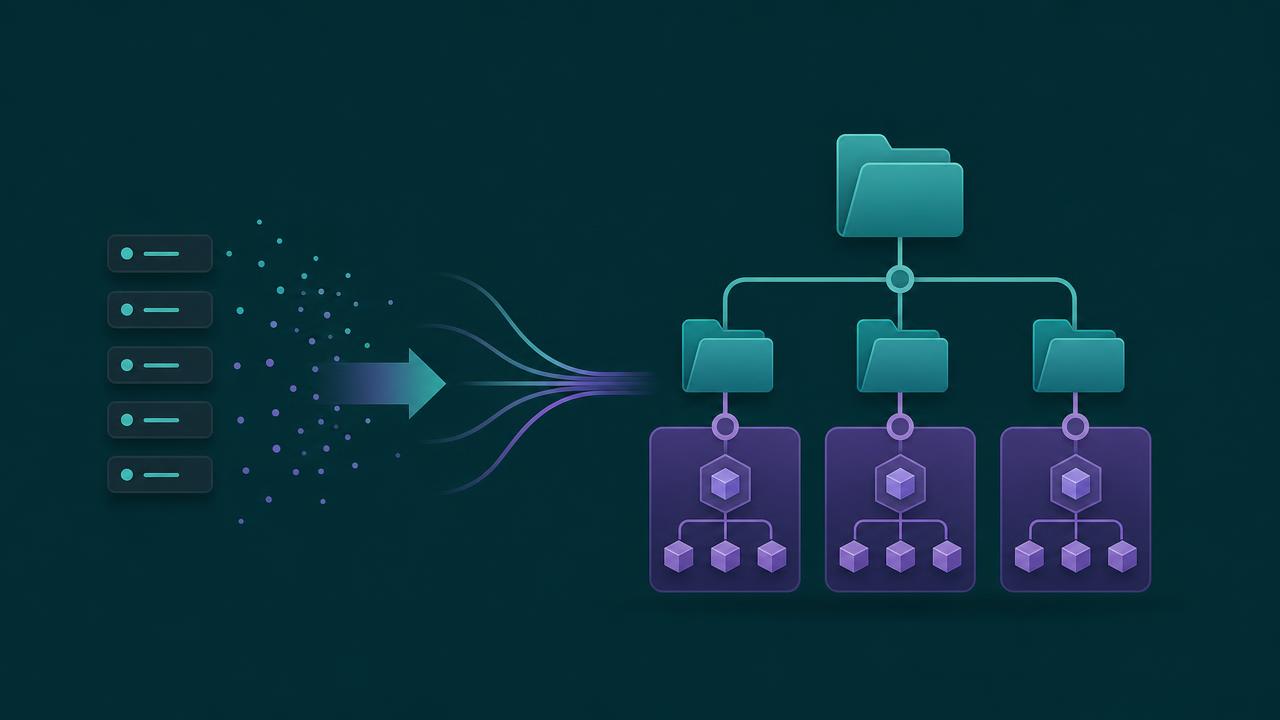
From slash commands to skills: why Claude Code is consolidating them
Slash commands are being absorbed into skills. A command is a named prompt template; a skill is a structured system. Here's when each makes sense and why the platform is shifting.

Claude Code YOLO mode: ship overnight without the approval fatigue
YOLO mode is the --dangerously-skip-permissions flag. Run it inside a sandbox and it's a superpower; on your main machine with no isolation it's a disaster. Here's the setup plus four ready-to-use recipes.

Harness engineering: what actually makes Claude Code work
Claude Code's success isn't better prompts — it's the harness around the model: a streaming agent loop, a typed tool registry, and a context management layer. Here's the reproducible thesis.
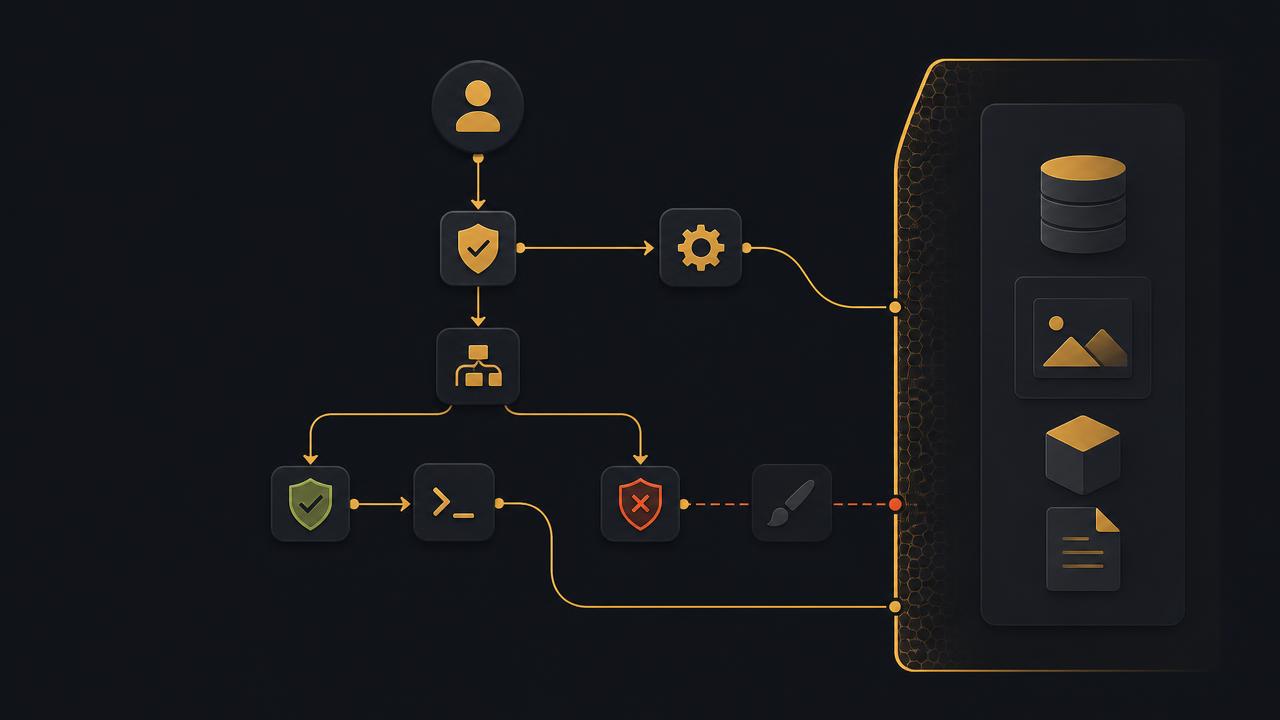
Claude Code hooks: the programmable boundary around the model
Hooks are the one mechanism that doesn't depend on the model remembering a rule — they run real code at key points in the execution flow and can allow, deny, or ask.
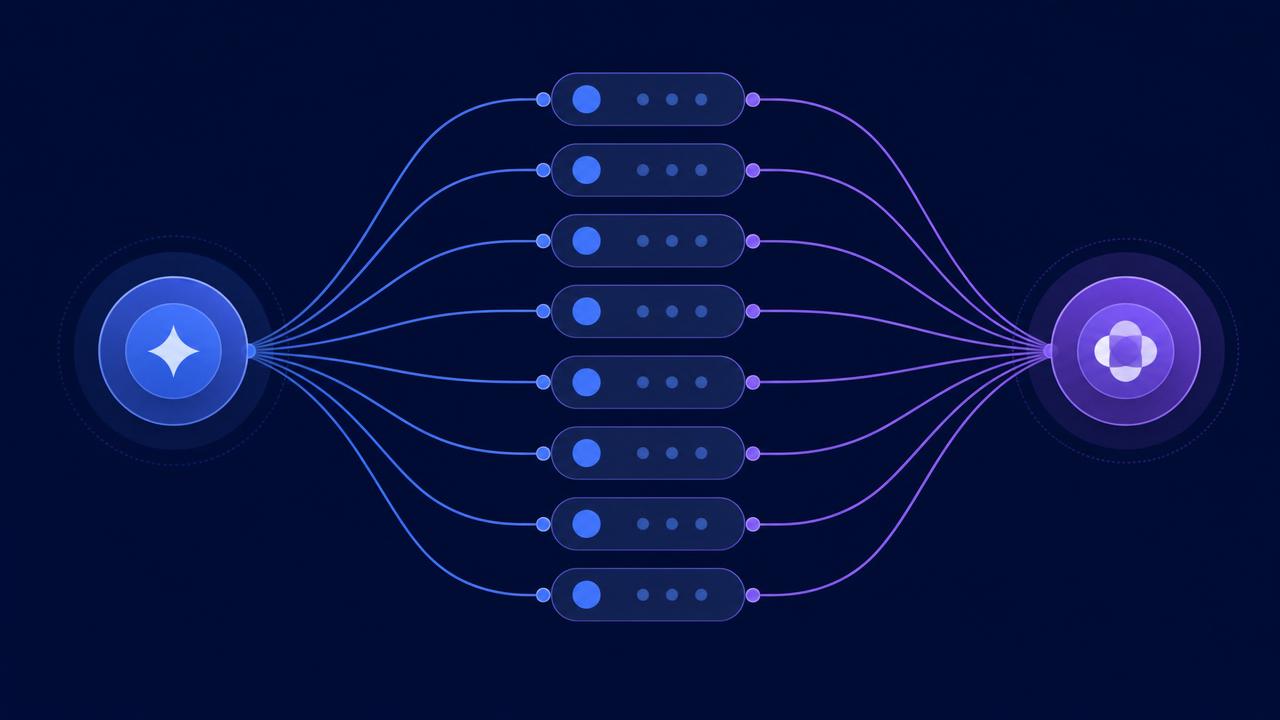
Claude dynamic workflows: orchestration that lives in code
A dynamic workflow is a JavaScript script Claude writes that orchestrates subagents at scale. The key shift: the plan lives in code, not in a context window.
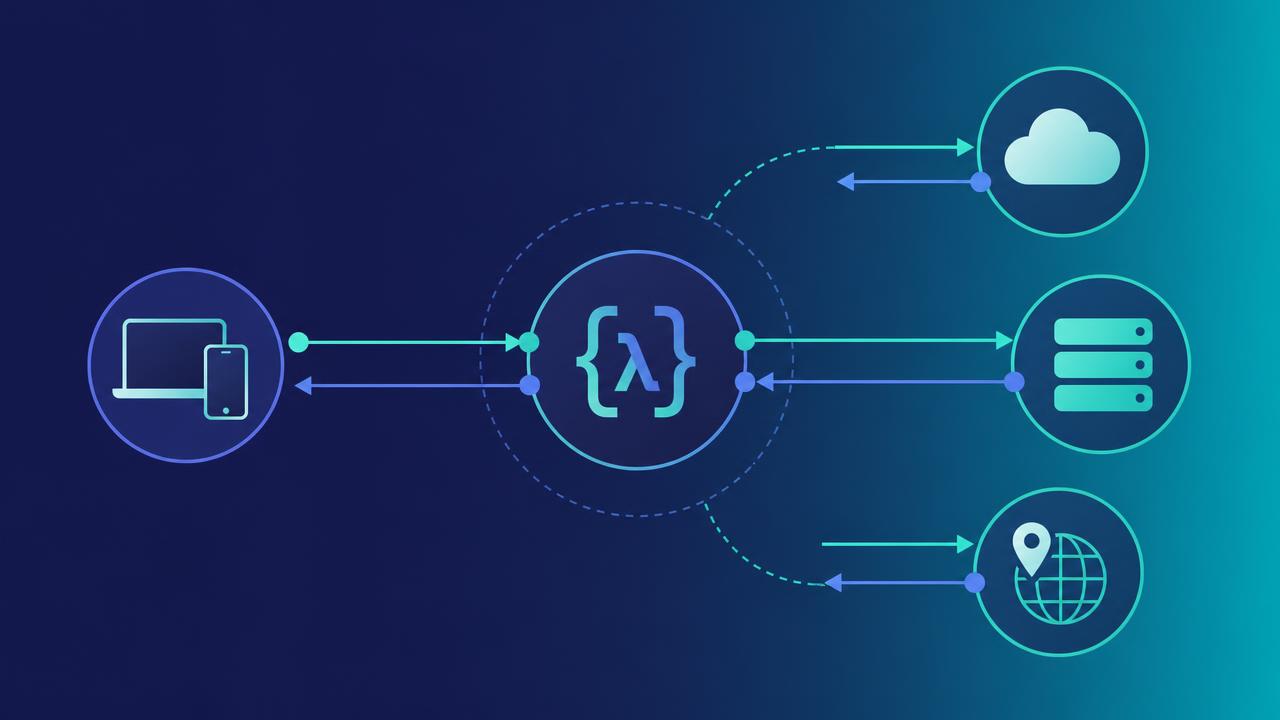
MCP 2026-07-28: the stateless core and why it changes servers
The Model Context Protocol moved to a stateless core with request/response semantics. Here's what changed in the 2026-07-28 spec and why it makes MCP servers deployable anywhere, including serverless.

Cutting Claude Code token usage: enforce, don't suggest
One practitioner's claim of 90%+ token savings comes from a 5-layer compression stack plus hooks that enforce it — the key insight is that suggestion isn't enforcement.

Loop engineering: designing agents that iterate, verify, and remember
A Claude loop is a repeatable workflow around the model — trigger, context, action, verification, state, and decision. Here's how to build one that's safe, stateful, and worth scheduling.
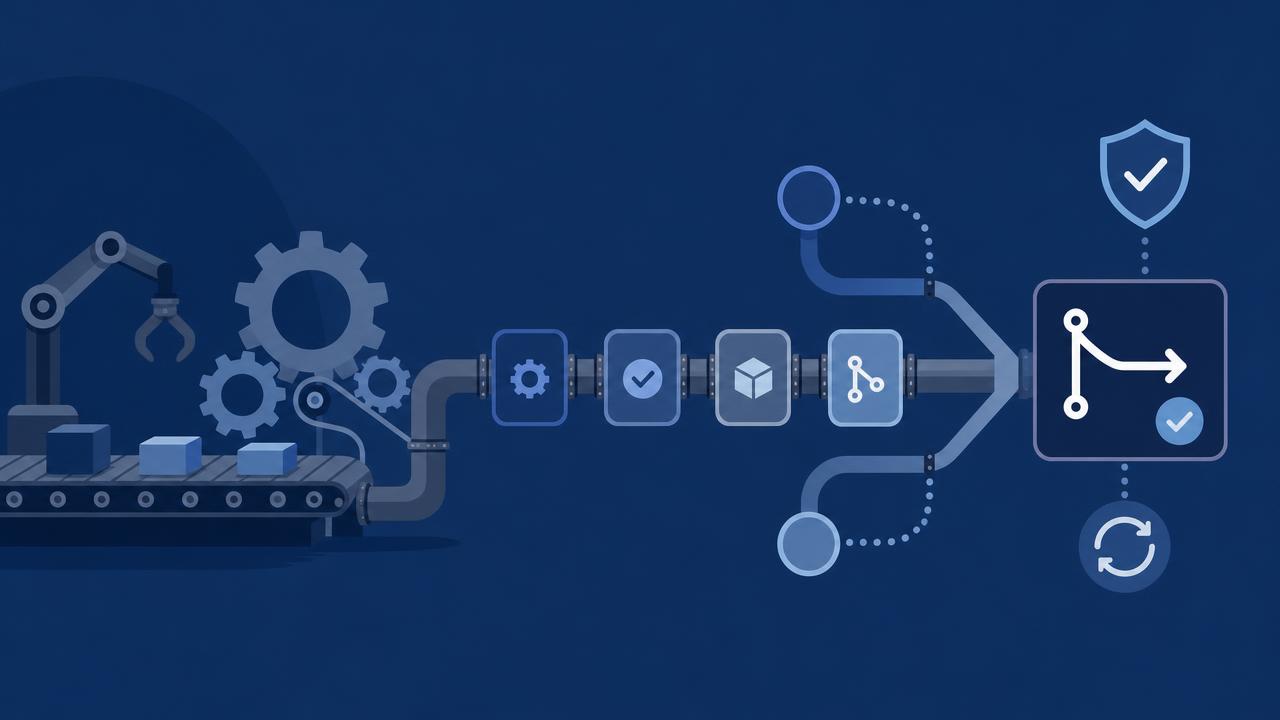
Building a production agent harness around Claude Code
What it actually takes to turn Claude Code into a multi-agent pipeline that watches Slack, opens MRs, self-heals CI, and improves its own code — a six-layer production harness.
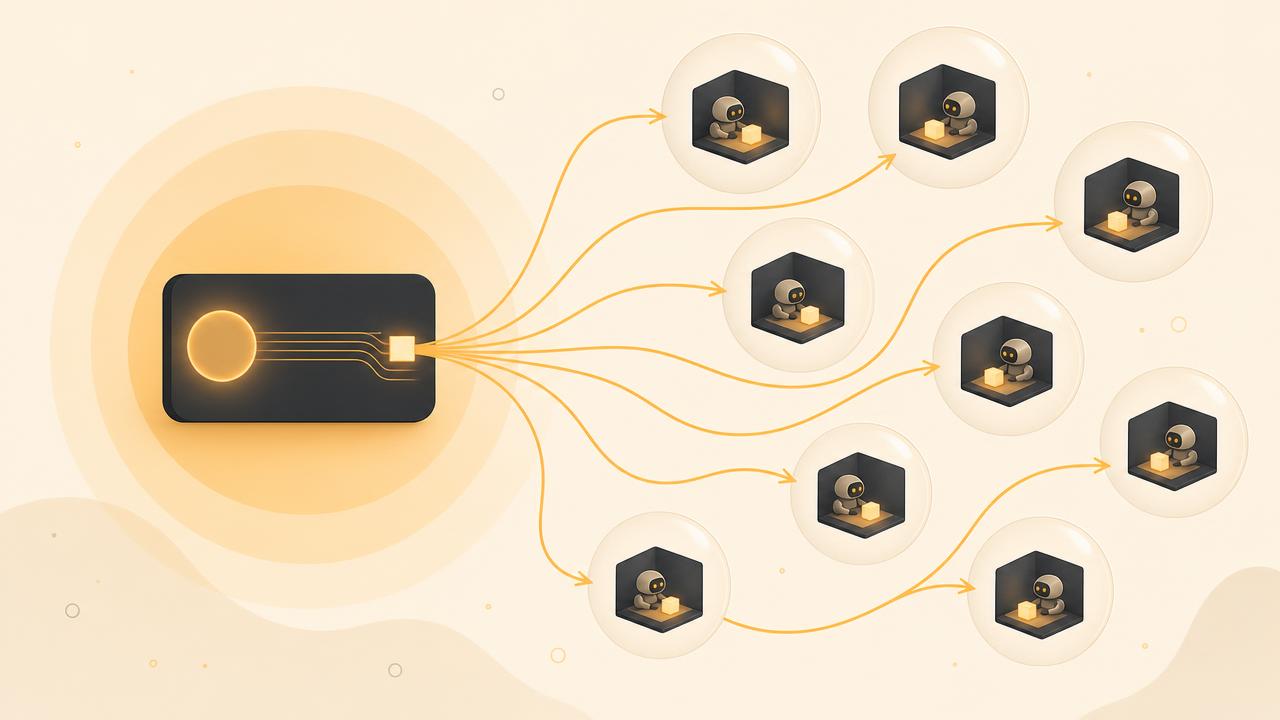
What 'agents' actually means in Claude Code
'Agent' means at least four different things in Claude Code. Sorting them — and the subagent-vs-skill boundary — is the key to building a maintainable workflow.

Effort, plan mode, and /goal: the controls that actually matter
Reasoning effort, plan mode, and /goal solve different problems. Match the control to the task instead of defaulting to 'high effort' — these are the levers that separate prompt engineering from workflow engineering.

Fable 5 vs Sonnet 5: what a 3x token price gap actually costs you
A practical look at the real price gap between Claude Fable 5 and Sonnet 5, and why model choice — not prompt quality — is where most token budget leaks.

Agentic analytics isn't text-to-SQL — it's context engineering
Anthropic's self-service analytics post is the clearest statement yet that reliable analytics agents are a context-and-verification problem, not a SQL-generation problem.

Academic Research Skills: a 39-agent research team inside Claude Code
An open-source Claude Code skill suite that runs a full research-to-publication pipeline: deep research, paper writing, peer review, revision, and PDF output.
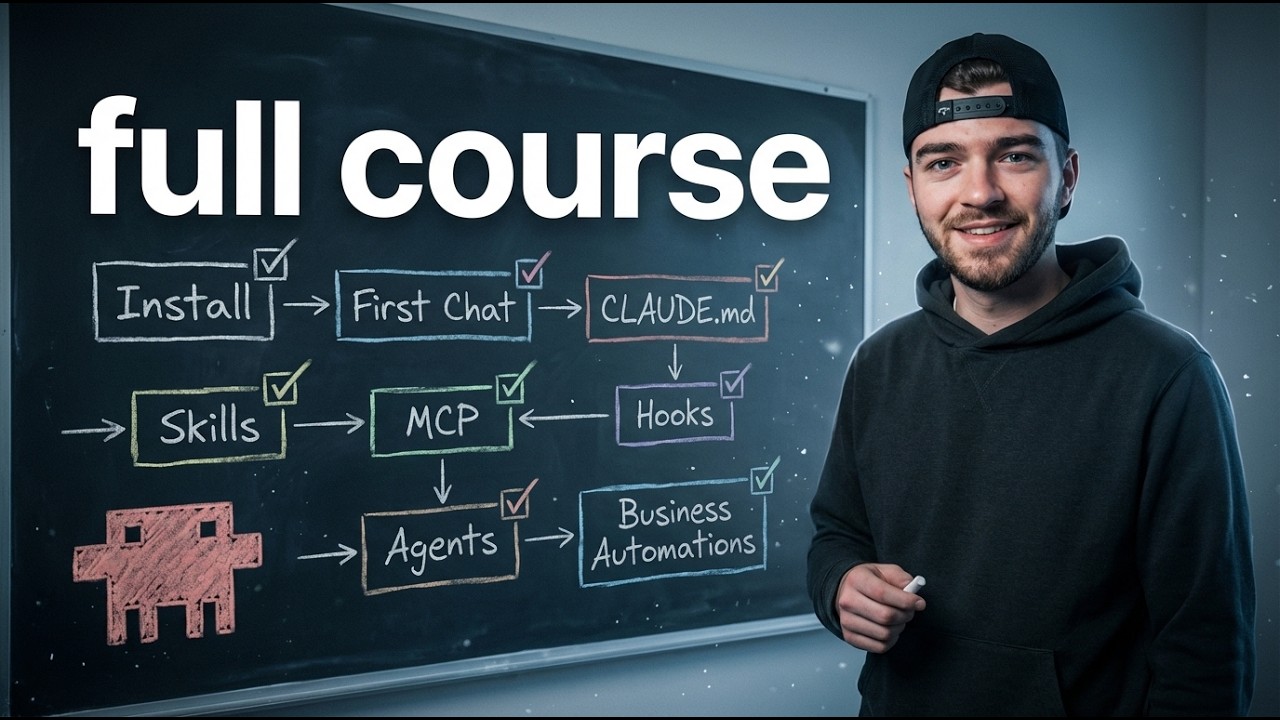 ▶ 30:07
30 Minutes to Master Claude Code — full beginner-to-builder walkthrough
Tyler Germain's 30-minute crash course: install, plans, the .claude folder, CLAUDE.md, MCP servers and skills, then two live builds — a Next.js site and an Instagram assistant.

Claude Certified Architect Foundations — a practical exam-prep roadmap
A guided path through freeCodeCamp's 13-hour Claude certification course, covering agent architecture, MCP tools, Claude Code workflows, prompting, context, and production safeguards.