Claude Certified Architect Foundations — a practical exam-prep roadmap
A guided path through freeCodeCamp's 13-hour Claude certification course, covering agent architecture, MCP tools, Claude Code workflows, prompting, context, and production safeguards.
The cover image is provided by YouTube. The privacy-enhanced player loads only after your choice; Google may then process device data and use cookies or similar storage. The written summary works without the player.
// key takeaways
- ›Start with the agent loop: gather context, act through tools, verify, and recover from failure.
- ›Understand MCP and tool stop reasons well enough to design predictable multi-step systems.
- ›Treat Claude Code, the Agent SDK, prompting, context management, and authentication as one architecture.
- ›Use the course for implementation practice, then check the current official exam guide for scope and eligibility.
What this resource is
freeCodeCamp's guide points to a 13-hour course led by Andrew Brown for the Claude Certified Architect, Foundations exam. It is designed as implementation-focused preparation rather than a short list of facts to memorize: you are expected to write code, wire up tools, and build working examples against Claude's agent stack.
Anthropic introduced Claude Certified Architect, Foundations as its first technical certification for solution architects building production applications with Claude. The freeCodeCamp resource is independent preparation material, not the official exam guide, so treat it as a study companion and confirm scope and eligibility against the current exam documentation before booking.
What you will study
The course is organized around the core architecture of a production Claude application, and each topic maps to something you will actually build:
- Agent architecture and orchestration. The full gather-context, act, verify, and recover loop, including hub-and-spoke coordination. This is the backbone: agents do not just answer, they collect context, act through tools, check the result, and recover when a step fails.
- Tool design and MCP. Tool contracts, stop reasons such as
tool_useandend_turn, and how the Model Context Protocol fits into a production system. You should be able to reason about when a tool call ends, why it stopped, and how that shapes the next step. - Claude Code and the Agent SDK. Local setup, authentication, configuration, and multi-agent workflows — the difference between running Claude in the terminal and embedding it in an application.
- Prompt and context engineering. Structured output, error handling, review passes, and working within large context windows without losing the thread of the task.
Why this format works
Exam-preparation guides that dump a list of facts to memorize are easy to drift from the real exam, which is written around building and reasoning, not recall. A hands-on course forces you to confront the places where the abstraction breaks: a tool contract that rejects your input, a context window that fills faster than expected, an agent loop that silently fails to recover. Those are the exact failure modes the certification is designed to probe. Working through them on your own code is what converts familiar vocabulary into the ability to answer scenario questions about why something behaved the way it did.
How to use the course
Do not try to retain thirteen hours in one pass. Split it by exam domain, and for each section build one small working example that exercises the concept — a tool call with a defined contract, a small multi-agent flow, a prompt that returns structured output. That implementation practice is what the exam is really testing.
Keep a running list of claims you want to confirm against the official documentation, because course material drifts as models and APIs change. Finish with a timed review of your weakest domains rather than replaying the entire course from the start.
Read Beau Carnes' freeCodeCamp guide · Watch the full course · Anthropic's certification announcement
// related
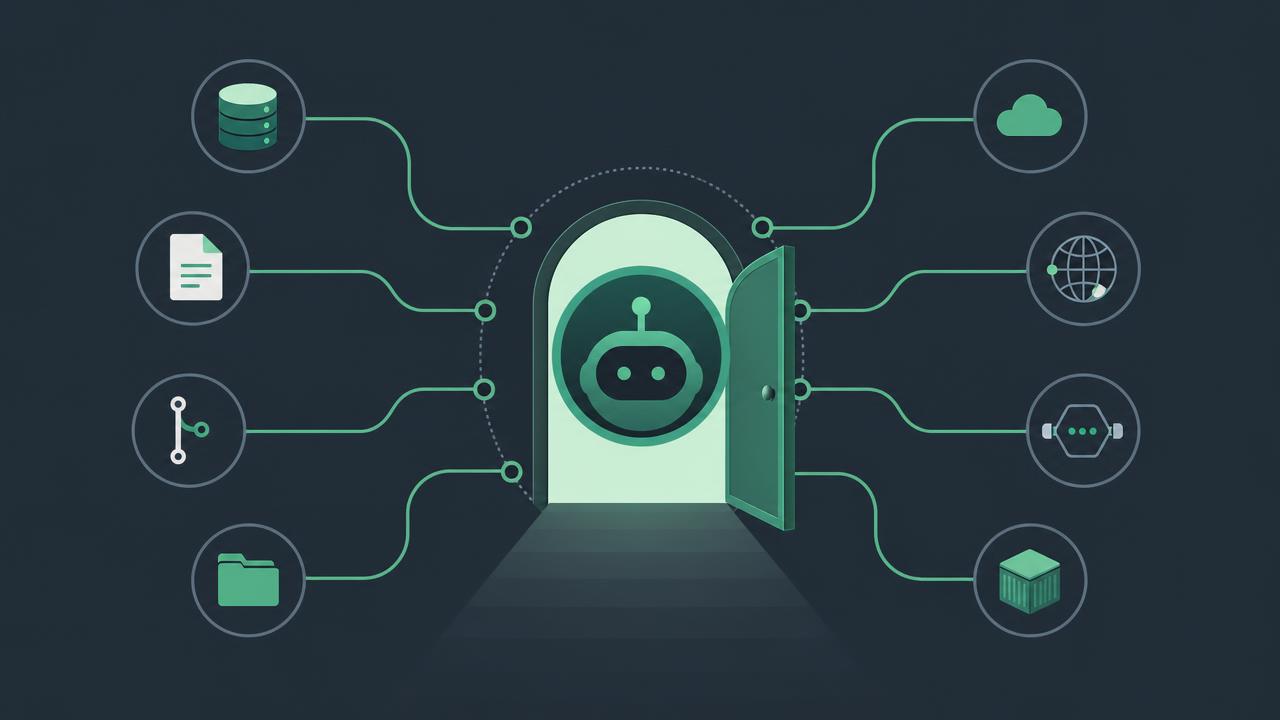
MCP in Claude Code: the complete mental model
A practical guide to MCP in Claude Code: what the protocol is, how it connects Claude to external tools and data, how it differs from skills, and how the stateless 2026-07-28 spec changes server building.
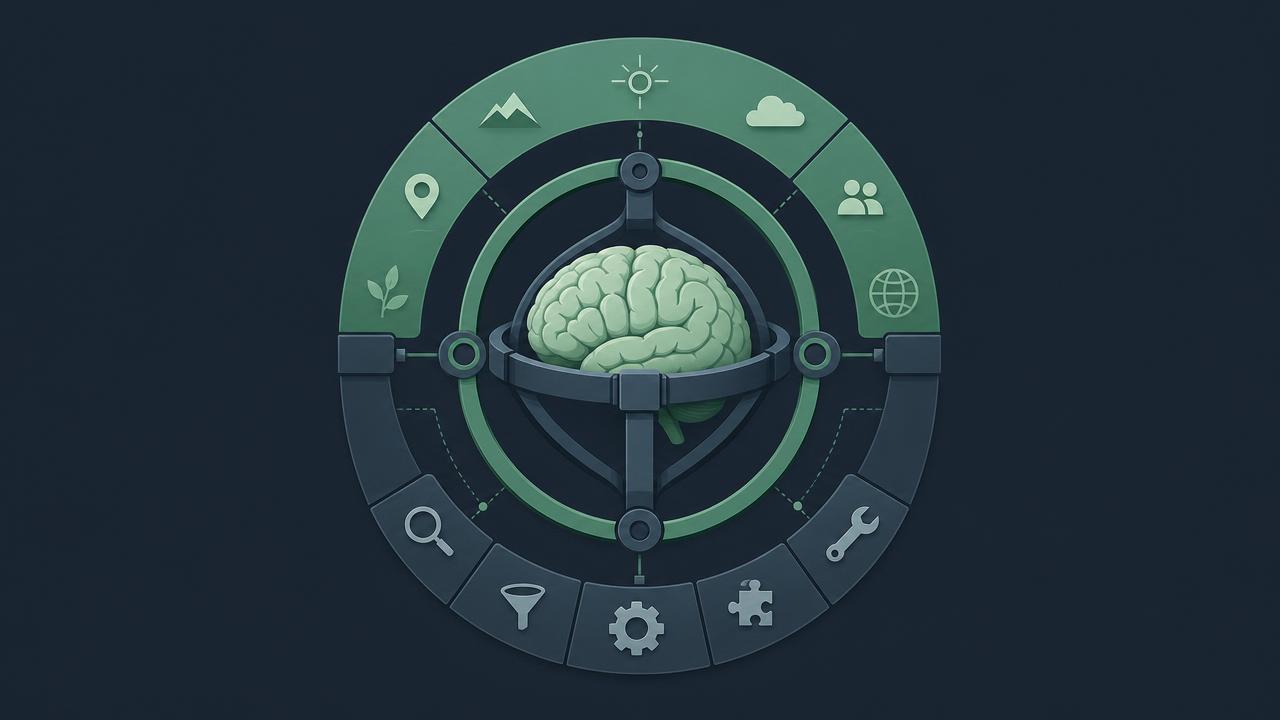
Harness engineering: what actually makes Claude Code work
Claude Code's success isn't better prompts — it's the harness around the model: a streaming agent loop, a typed tool registry, and a context management layer. Here's the reproducible thesis.
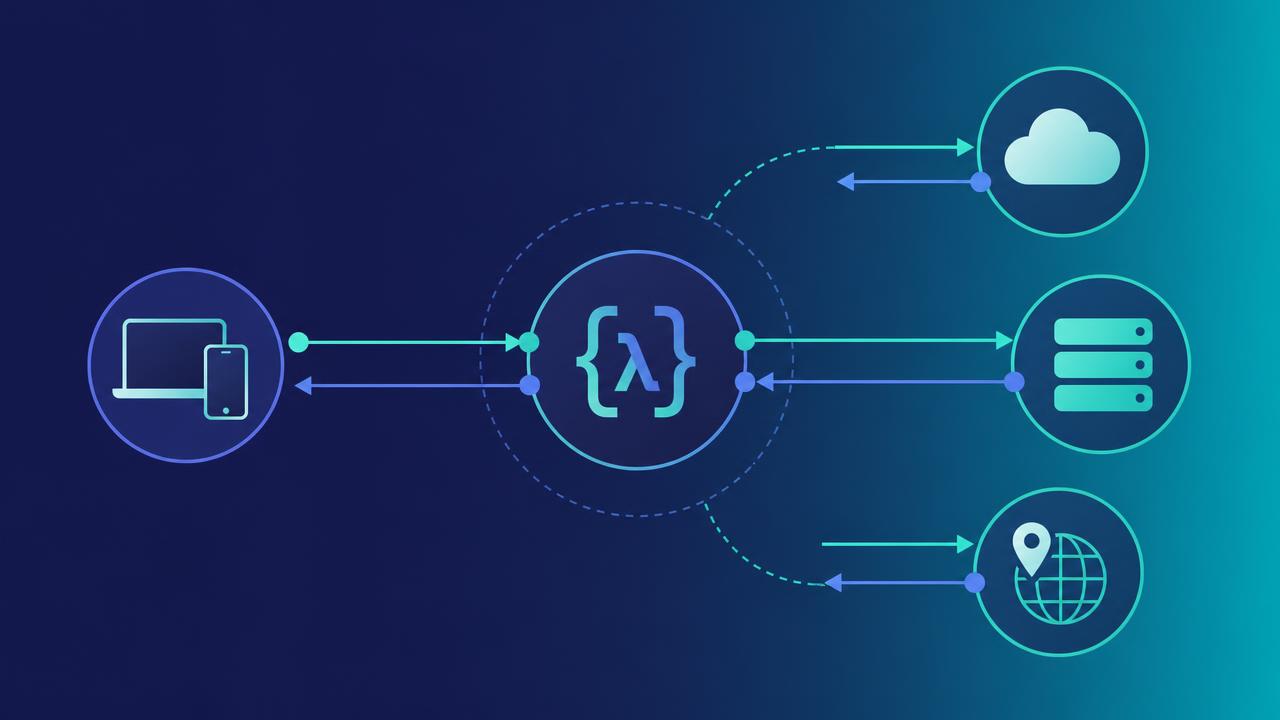
MCP 2026-07-28: the stateless core and why it changes servers
The Model Context Protocol moved to a stateless core with request/response semantics. Here's what changed in the 2026-07-28 spec and why it makes MCP servers deployable anywhere, including serverless.